
Wheel bearing noise usually starts small: a faint hum on the freeway that you can almost ignore. It rarely stays that way for long.
If you have noticed a humming, roaring, or grinding sound that changes with your speed, this guide walks through the five clearest warning signs of wheel bearing noise. We will also cover how to tell it apart from a brake or tire problem, and what replacement really costs.
Our technicians at RPM Auto Center in Irwindale hear this complaint often, especially on higher-mileage commuter vehicles driven throughout the San Gabriel Valley.
What Does This noise Sound Like?
Wheel bearing noise is most often described as a continuous humming or roaring sound, similar to driving with a window cracked on the highway, except it does not go away when the window is closed.
Unlike ordinary road or tire noise, wheel bearing noise typically gets louder as your speed increases. It can also change pitch when you make a slight turn, since turning shifts weight onto or off of the affected bearing.
5 Warning Signs of This noise and Failure
1. A Humming or Roaring Sound That Grows With Speed
This is the classic symptom. Wheel bearing noise that gets louder the faster you drive, and quieter, though rarely silent, when you slow down, is one of the most reliable signs of a bearing starting to fail.
2. A Grinding Noise
As a bearing wears further, wheel bearing noise often shifts from a hum to a rougher grinding sound. This usually means the bearing has progressed past early wear and should not be delayed.
3. Clicking or Clunking When Turning
A clicking sound specifically when turning can indicate this noise combined with CV joint wear, since both components sit near each other on the front axle of most vehicles.
4. Steering Wheel Vibration or Play
A wheel bearing with excessive play can introduce a vibration felt through the steering wheel, or a looseness when the top of the tire is wiggled by hand with the vehicle safely lifted.
5. Uneven Tire Wear or an ABS Light
Many modern wheel speed sensors are built into the bearing hub itself. Because of that, wheel bearing noise is sometimes accompanied by an ABS or traction control warning light, along with unusual, uneven tire wear.
This noise vs. Other Common Sounds
Drivers frequently confuse wheel bearing noise with a few other common sounds. A grinding brake noise usually only happens when you press the pedal, while wheel bearing noise is constant and speed-related.
If your vehicle shakes specifically when you brake instead, that points more toward rotors or pads. Our guide on why your car shakes when braking covers that symptom in detail.
A CV joint click is sharp and only occurs while turning, whereas this noise is present in a straight line too. Tire noise from uneven tread tends to sound like a steady drone, while true wheel bearing noise usually shifts in pitch when you turn.
Is It Safe to Drive With Wheel Bearing Noise?
A faint hum is not usually an emergency, but this noise never improves on its own. A bearing that fails completely can develop excessive play or, in rare and severe cases, seize.
If the wheel bearing noise has progressed to grinding, if you feel play when wiggling the wheel, or if the vehicle pulls or wanders, treat it as urgent before continuing to drive around Irwindale, Monrovia, or Arcadia.
What Does Wheel Bearing Replacement Cost?
Cost varies by vehicle. Many modern cars use a sealed hub assembly that includes the bearing, sensor, and hub as one unit, while some older or heavier-duty vehicles use a separate, serviceable bearing.
As a general, nationwide ballpark, a single hub assembly replacement, parts and labor included, commonly falls in the low-to-mid hundreds of dollars per corner, with all-wheel-drive and larger vehicles trending higher.
The only way to know your exact wheel bearing replacement cost is a hands-on inspection, since the fix ranges from a single bearing to a more involved repair if wear has reached the axle or hub.
DIY Checks Before You Bring It In
A few observations help our technicians diagnose wheel bearing noise faster. Notice whether the sound changes when you turn slightly left versus right.
Notice whether the sound is present at all speeds or only above a certain speed. A louder sound while turning away from the affected side is a classic clue.
What Happens During a Wheel Bearing Inspection
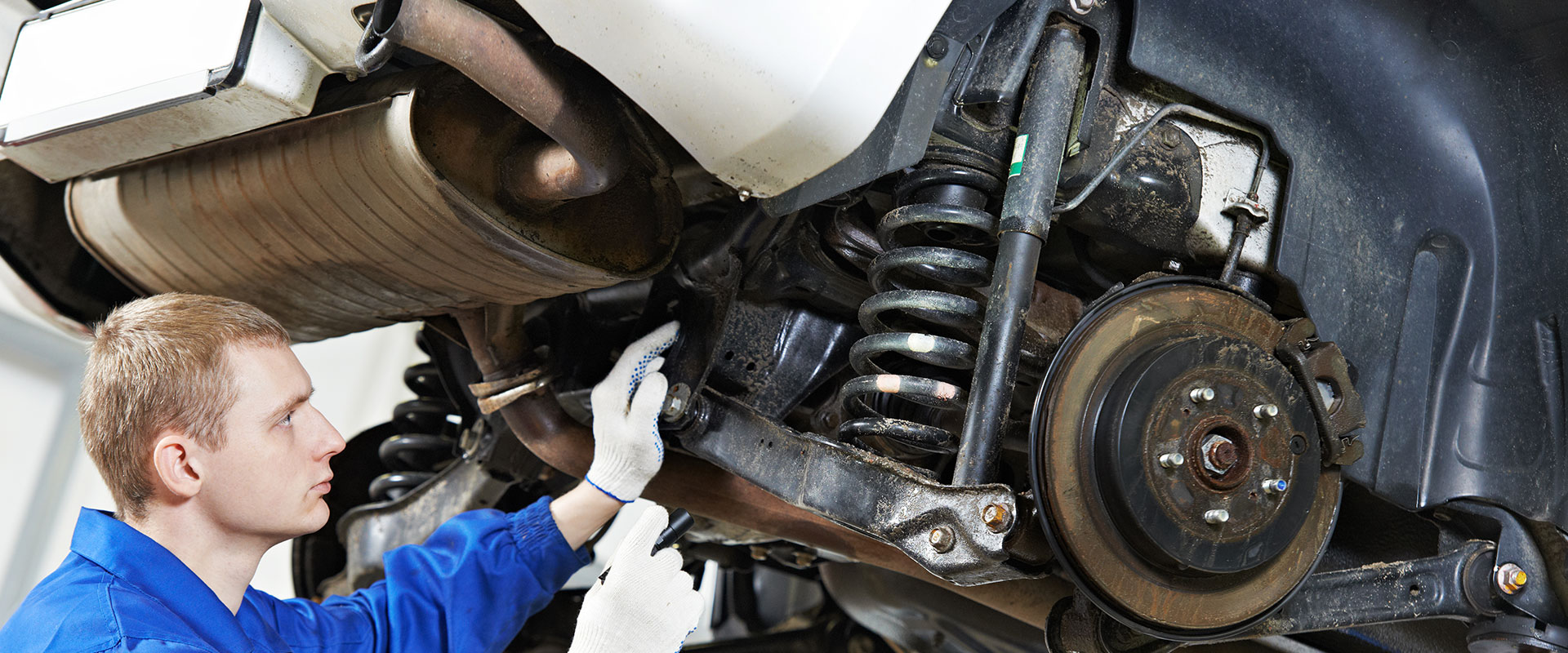
When a customer reports this noise, we put the vehicle on a lift and check each wheel by hand for play. We spin each wheel to listen and feel for roughness.
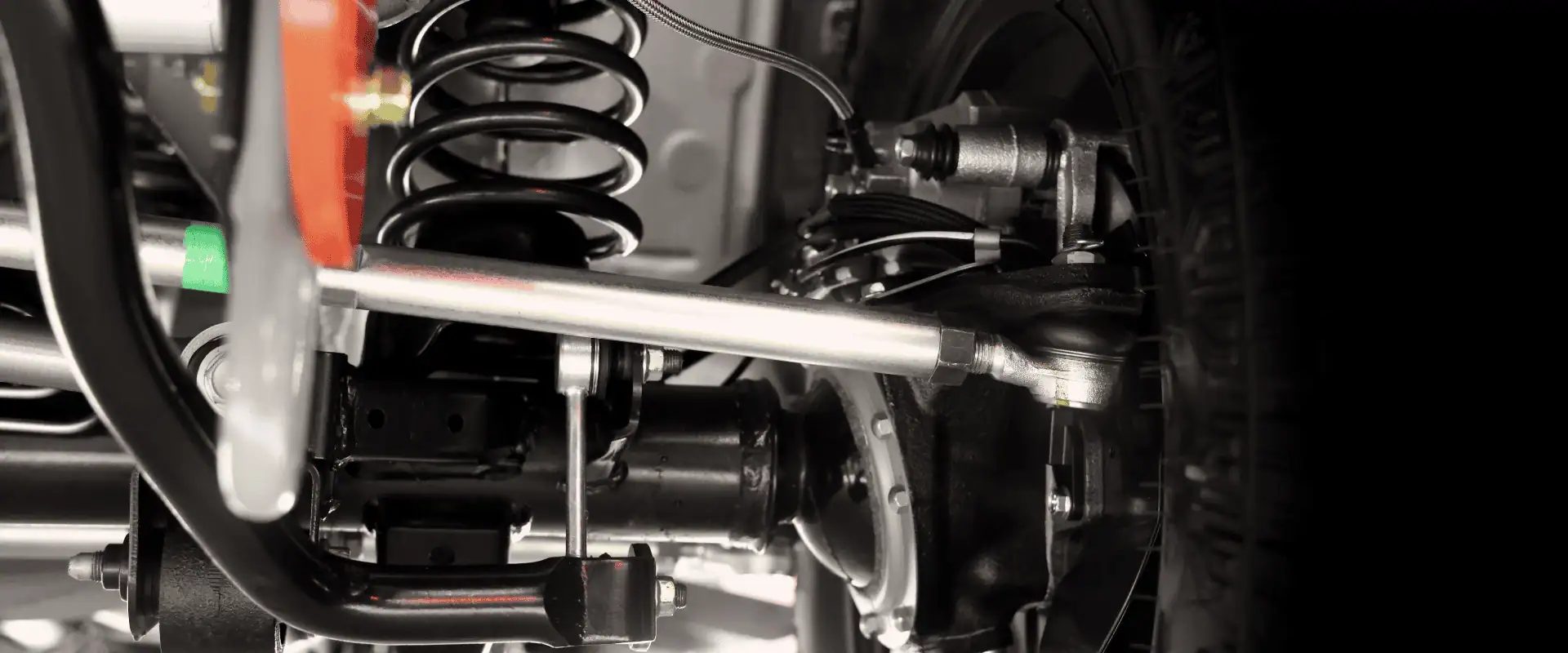
We also inspect the CV joints, tie rod ends, and related suspension components at the same time, since more than one issue can be present, and confirm the diagnosis before recommending a repair.
Preventive Tips
Wheel bearing noise develops faster when bearings are exposed to water, road salt, or repeated hard impacts from potholes.
Having your bearings checked as part of routine suspension service, and addressing play early before it becomes a grinding sound, is the most reliable way to avoid a surprise breakdown.

Why Wheel Bearing Noise Shows Up Sooner in the San Gabriel Valley
Frequent stop-and-go driving, aging road surfaces in parts of Irwindale, Azusa, and Baldwin Park, and daily freeway commuting all add wear cycles to wheel bearings.
That combination is part of why this noise tends to show up here at a lower mileage than manufacturers sometimes estimate.
Wheel Bearing Service Intervals
Most manufacturers do not list a fixed replacement interval for wheel bearings the way they do for oil or timing belts, since bearing life depends heavily on driving conditions and road quality.
Instead, bearings are typically inspected as part of routine suspension and brake service, with replacement recommended only once measurable play or wheel bearing noise is actually present.
Wheel Bearing Noise vs. a Simple Tire Balance Issue
An unbalanced tire produces a vibration that is usually speed-specific and often disappears once the tires are rebalanced.
True this noise will not respond to balancing at all, and tends to progress rather than stay constant, which is the key difference to listen for.
Frequently Asked Questions
Can I keep driving with wheel bearing noise?
For a short time, if the noise is mild and no play is present. This noise reliably worsens over time, so it should be inspected soon rather than ignored indefinitely.
Does wheel bearing noise go away at low speed?
It usually quiets down but rarely disappears completely, since the bearing is still under load even at low speed, just generating less noise.
Is wheel bearing noise the same on all four wheels?
No. This noise typically affects one corner of the vehicle at a time, which is why our inspection checks each wheel individually.
Can a wheel alignment fix wheel bearing noise?
No. An alignment adjusts wheel angles and will not correct a worn bearing, though it is still worth checking alignment if a bearing has caused uneven tire wear.
What happens if I ignore wheel bearing noise?
Left unaddressed, this noise typically progresses from a hum to a grinding sound, then to noticeable play, and eventually can affect steering control.
Get Wheel Bearing Noise Checked at RPM Auto Center
If you are hearing wheel bearing noise on your commute through the San Gabriel Valley, our technicians can confirm the cause on a lift and explain it in plain language.
Learn more about our suspension repair services, read our guide to suspension repair, review common signs your suspension needs attention, or schedule an appointment today.
For general consumer background on wheel and suspension maintenance, the nonprofit Car Care Council is also a helpful resource.
How This Compares Across Vehicle Types
Front-wheel-drive vehicles most often develop this issue on the front axle, since that is where drivetrain and steering loads concentrate.
All-wheel-drive and larger SUVs can develop it on any corner, sometimes at lower mileage due to added weight and drivetrain complexity.
Bottom Line
This is one of those sounds that is easy to put off until it becomes impossible to ignore.
Catching it early, while it is still a hum rather than a grind, typically means a simpler and less expensive repair on your daily drive through the San Gabriel Valley.
Choosing a Shop for Wheel Bearing Noise
Not every shop diagnoses wheel bearing noise the same way. Some replace parts by default without confirming which wheel is actually affected.
Look for a shop that checks each wheel individually by hand, road-tests the vehicle when possible, and explains what it found in plain language before recommending a repair.
At RPM Auto Center, every customer who reports wheel bearing noise gets that full inspection as standard practice, not an upsell.
How Long Does Wheel Bearing Replacement Take?
Most single-corner replacements are same-day work, often completed in one to two hours once the correct part is on hand for your specific vehicle.
What to Expect During Your Visit
When you schedule a visit for wheel bearing noise, the process typically starts with a short conversation about when the sound happens and whether it has changed recently.
From there, a technician takes a test drive when possible to hear exactly how and when the noise occurs, paying attention to whether it changes with turns or braking.
Next, the vehicle goes on a lift so each wheel can be checked by hand for play, spun to listen for roughness, and compared side to side, since a healthy bearing on the opposite corner gives a useful baseline.
CV joints, tie rod ends, and other nearby suspension components are inspected at the same time, since more than one issue can contribute to a similar sound.
Only after that full picture is complete do we recommend a repair. In many cases, the fix is limited to a single hub assembly on one corner. In others, especially on higher-mileage vehicles, related components may need attention at the same visit.
Will I Need a Wheel Alignment After Replacement?
Sometimes. If wheel bearing noise has been present long enough to cause uneven tire wear, an alignment check afterward helps confirm the new bearing is not fighting an existing alignment issue.
Can Both Sides Fail Around the Same Time?
It happens, especially on higher-mileage vehicles where both bearings have seen similar wear. That said, wheel bearing noise almost always becomes noticeable on one side first, which is why each wheel is checked individually rather than replaced as a pair by default.
Does Weather Affect Wheel Bearing Noise?
Driving through standing water, especially at speed, can accelerate wear by forcing moisture past the bearing seal. Drivers who regularly encounter flooded intersections during Southern California storms sometimes notice a new hum appear shortly afterward.
What If the Noise Comes and Goes?
An intermittent sound can still be wheel bearing noise, particularly in its earliest stage, and it does not need to be constant to be worth checking. Bearings often start with noise that appears only under specific loads, such as a slight turn or a bump, before becoming more consistent.
Is a Second Opinion Worth It?
If a shop recommends replacing multiple components at once without explaining which one is actually making the sound, a second opinion is reasonable. A clear diagnosis for wheel bearing noise should point to a specific wheel and a specific finding, not a general recommendation.
