
Transmission Fluid Change vs. Transmission Repair: What Drivers Should Know
Your transmission is one of the most important and expensive systems in your vehicle. When it starts acting up, many drivers wonder the same thing: Do I just need a transmission fluid change, or is this a bigger transmission repair issue?
Understanding the difference between a transmission fluid change vs transmission repair can help you avoid unnecessary costs, protect your vehicle, and catch serious issues before they become major repairs.
At RPM Auto Center in Irwindale, CA, we help drivers throughout the San Gabriel Valley identify transmission problems early with honest inspections, professional diagnostics, and reliable repair recommendations.
What Is a Transmission Fluid Change?
A transmission fluid change is a maintenance service where old transmission fluid is removed and replaced with fresh fluid. Transmission fluid helps lubricate internal components, support hydraulic pressure, reduce heat, and allow the transmission to shift properly.
Over time, transmission fluid can break down, become dirty, or lose its ability to protect the transmission. According to AAA’s automatic transmission fluid service guidance, the fluid used during service should meet the requirements listed in your vehicle owner’s manual.
A transmission fluid change may be recommended if:
- Your fluid is dark but not severely burnt
- Your vehicle is due based on mileage or manufacturer recommendations
- You notice minor shifting hesitation
- Your transmission has not shown major mechanical failure symptoms
- You want preventative maintenance to extend transmission life
For many vehicles, changing the fluid at the right interval can help reduce wear and keep the transmission operating smoothly.
What Is Transmission Repair?
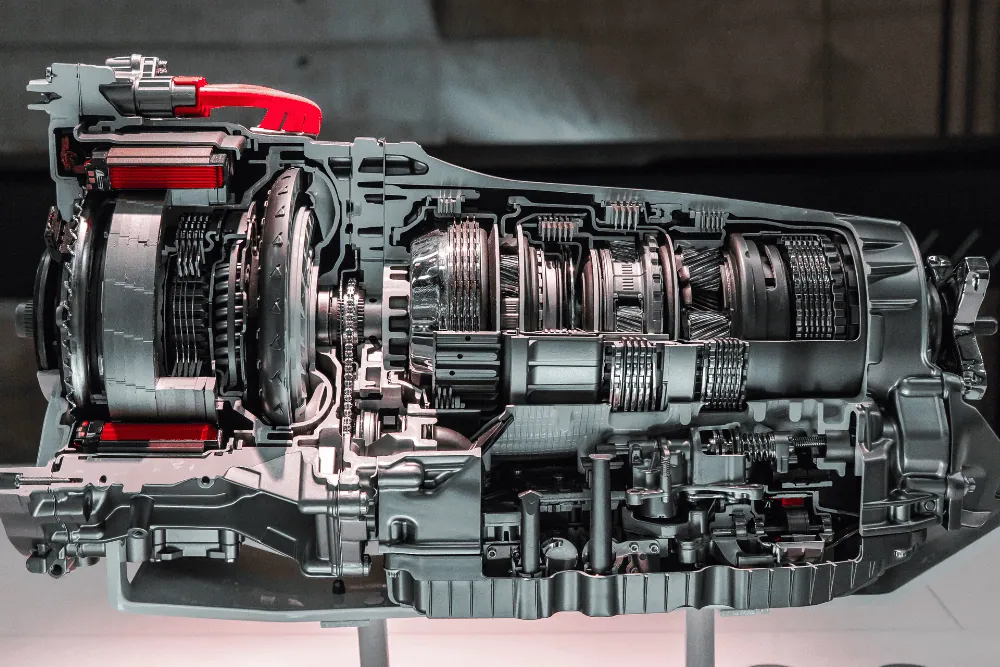
Transmission repair goes beyond basic maintenance. It involves diagnosing and fixing a specific problem inside or related to the transmission system.
Transmission repair may include replacing damaged components, repairing leaks, addressing electronic control issues, fixing solenoids, resolving torque converter problems, or performing more extensive internal transmission work.
Transmission repair may be needed if your vehicle has symptoms such as:
- Transmission slipping
- Delayed engagement when shifting into drive or reverse
- Grinding, whining, or clunking noises
- Transmission fluid leaks
- Burning smell from the transmission area
- Warning lights on the dashboard
- Vehicle won’t move properly
- Severe shaking, jerking, or hard shifting
- Metal debris in the transmission fluid
If the transmission is already damaged, simply changing the fluid may not fix the issue. In some cases, a fluid change on a severely worn transmission can even reveal existing problems more clearly.
If your vehicle already has serious symptoms, schedule a professional transmission service inspection before assuming basic maintenance will solve the issue.
Transmission Fluid Change vs. Transmission Repair: The Key Difference
The main difference is simple:
A transmission fluid change is preventative maintenance.
A transmission repair is corrective service for an existing problem.
A fluid change helps maintain the transmission before serious damage happens. Transmission repair is needed when parts are already failing or the system is no longer operating correctly.
Think of it like engine oil. An oil change helps protect your engine. But if the engine is knocking, overheating, or losing compression, an oil change alone will not solve the underlying mechanical problem. The same logic applies to your transmission.
7 Signs You May Need Transmission Service or Repair
Transmission symptoms can range from minor maintenance needs to serious internal damage. Here are seven signs Irwindale and San Gabriel Valley drivers should not ignore.
1. Your Vehicle Is Due for Transmission Maintenance
If your vehicle has reached the recommended mileage interval for transmission service, a fluid change may be the right step before problems develop.
The Car Care Council’s car care guide recommends regular transmission fluid and filter service to help support long automatic transmission life. Your exact service interval should still be based on your vehicle manufacturer’s recommendations, driving habits, and fluid condition.
Many drivers in Irwindale, Arcadia, Duarte, Monrovia, Baldwin Park, Azusa, and the surrounding San Gabriel Valley put heavy stop-and-go miles on their vehicles. That type of driving can increase heat and wear on transmission fluid.
2. Shifting Feels Slightly Rough
Minor hesitation or slightly firm shifts may be caused by aging fluid. If the transmission is otherwise healthy, replacing the fluid may help improve performance.
However, if the shifting issue is severe, consistent, or getting worse, it is better to schedule vehicle diagnostics before approving a fluid change.
3. The Fluid Is Dirty but Not Burnt
Healthy transmission fluid is typically red or amber, depending on the vehicle and fluid type. If the fluid is darker but does not smell burnt and does not contain metal debris, a fluid service may be appropriate.
If the fluid smells burnt, looks extremely dark, or contains metallic debris, the transmission may already have internal wear that needs further inspection.
4. The Transmission Is Slipping
Transmission slipping happens when the engine revs, but the vehicle does not accelerate as expected. This can indicate worn clutches, low fluid pressure, internal wear, or other mechanical issues.
If your transmission is slipping, do not assume a fluid change will fix it. The vehicle should be inspected first to determine whether it needs maintenance, repair, or a deeper diagnostic review.
5. The Vehicle Delays Before Moving
If you shift into drive or reverse and the vehicle hesitates before engaging, there may be a hydraulic, electronic, or internal transmission issue.
Delayed engagement can be caused by low fluid, worn internal components, valve body issues, solenoid problems, or other transmission faults. This is a strong reason to schedule diagnostics before the issue gets worse.
6. You Hear Grinding, Whining, or Clunking
Unusual transmission noises should never be ignored. Grinding, whining, humming, or clunking sounds may indicate internal wear, bearing issues, fluid starvation, or damaged components.
Because transmission noises can overlap with drivetrain, axle, mount, and wheel bearing concerns, RPM Auto Center recommends a professional inspection to isolate the actual cause.
7. A Warning Light Comes On
Modern vehicles use sensors and control modules to monitor transmission performance. If a check engine light, transmission warning light, or related diagnostic trouble code appears, a professional scan and inspection are needed.
The National Highway Traffic Safety Administration also provides recall lookup resources, which can be useful if your vehicle has a known manufacturer-related transmission issue or safety concern.
Should You Change Transmission Fluid If the Transmission Is Already Slipping?
This is where many drivers get confused.
If a transmission is already slipping badly, a fluid change may not solve the problem. The slipping could be caused by internal wear, damaged clutch material, pressure issues, torque converter problems, or electronic control faults.
In some cases, old fluid may contain friction material from worn internal parts. Replacing the fluid will not rebuild those damaged components. That is why RPM Auto Center recommends a diagnostic inspection before performing a transmission fluid change on a vehicle with serious symptoms.
The goal is to avoid selling you a maintenance service when your vehicle actually needs repair — or recommending repair when maintenance is still enough.
Why Transmission Diagnostics Matter
Before deciding between a transmission fluid change vs transmission repair, a qualified technician should inspect the vehicle.
A proper transmission diagnostic may include:
- Checking transmission fluid level and condition
- Inspecting for leaks
- Scanning for diagnostic trouble codes
- Test driving the vehicle
- Reviewing shift behavior
- Checking for abnormal noises or vibration
- Inspecting related sensors and control systems
- Determining whether the issue is maintenance-related or mechanical
At RPM Auto Center, our team focuses on identifying the root cause before recommending service. This helps drivers make informed decisions and avoid unnecessary repairs.
Can Regular Transmission Fluid Changes Prevent Repairs?
Yes, regular transmission fluid service can help reduce the risk of future transmission problems. Clean fluid helps control heat, maintain proper lubrication, and protect internal components.
However, fluid changes cannot prevent every transmission failure. Driving conditions, mileage, towing, manufacturer design, overheating, leaks, and previous maintenance history all play a role.
Consumer Reports’ transmission maintenance guidance also emphasizes the importance of using the correct type of transmission fluid for the specific vehicle, since the wrong fluid can affect performance and gearbox life.
That said, skipping transmission maintenance is one of the easiest ways to shorten transmission life.
How Often Should Transmission Fluid Be Changed?
Transmission fluid service intervals vary by vehicle. Some vehicles may need service around 30,000 to 60,000 miles, while others may have longer intervals depending on the manufacturer, fluid type, transmission design, and driving conditions.
You may need transmission service sooner if you frequently:
- Drive in stop-and-go traffic
- Tow or carry heavy loads
- Drive in hot weather
- Drive in hilly areas
- Use your vehicle for delivery, rideshare, or commercial use
- Have an older or high-mileage vehicle
Southern California driving can be hard on transmission fluid, especially for drivers commuting through Irwindale, the 210, 605, 10, and nearby San Gabriel Valley freeways.
Transmission Fluid Change vs. Flush: Is There a Difference?
Yes. A transmission fluid change typically replaces a portion of the old fluid with new fluid. A transmission flush uses equipment to exchange more of the fluid from the system.
Not every vehicle is a good candidate for a flush, especially if it has high mileage, poor maintenance history, burnt fluid, or existing transmission symptoms. In some cases, a drain-and-fill style service may be more appropriate.
The right option depends on the vehicle, fluid condition, and manufacturer recommendations.
Why You Should Not Ignore Transmission Problems
Transmission issues usually get worse over time. A small leak, delayed shift, or minor hesitation can become a much more expensive repair if ignored.
Early diagnosis can help:
- Prevent additional damage
- Reduce repair costs
- Improve vehicle safety
- Extend transmission life
- Avoid being stranded
- Protect overall vehicle performance
If something feels different when your vehicle shifts, it is better to have it checked early.
RPM Auto Center Helps Irwindale Drivers Make the Right Call
Whether your vehicle needs a simple transmission fluid change or a more detailed transmission repair, RPM Auto Center can help you understand what is happening before you spend money on the wrong service.
Our team provides honest inspections, professional diagnostics, and complete auto repair services for drivers in:
- Irwindale
- Arcadia
- Duarte
- Monrovia
- Baldwin Park
- Azusa
- El Monte
- Bradbury
- City of Hope
- The greater San Gabriel Valley
If your car is slipping, shifting hard, leaking fluid, or overdue for transmission maintenance, schedule an appointment with RPM Auto Center today.
Schedule Transmission Service at RPM Auto Center
Do not wait until a minor transmission issue becomes a major repair. If you are unsure whether you need a transmission fluid change or transmission repair, RPM Auto Center can inspect your vehicle and recommend the right next step.
Call RPM Auto Center or book your appointment online today for professional transmission service in Irwindale, CA.
Frequently Asked Questions
Is a transmission fluid change the same as transmission repair?
No. A transmission fluid change is maintenance. Transmission repair fixes a specific mechanical, hydraulic, electrical, or internal problem.
Can a transmission fluid change fix slipping?
Sometimes minor shifting issues may improve with fresh fluid, but a slipping transmission often points to internal wear or pressure problems. A diagnostic inspection is recommended first.
What is the difference between transmission fluid change vs transmission repair?
A transmission fluid change replaces old fluid as preventative maintenance. Transmission repair addresses an existing problem such as slipping, leaks, delayed engagement, damaged parts, or electronic control issues.
What happens if I never change my transmission fluid?
Old transmission fluid can break down, overheat, and lose its ability to protect internal components. This can lead to hard shifting, slipping, overheating, and premature transmission failure.
How do I know if my transmission fluid is bad?
Bad transmission fluid may look dark, smell burnt, or contain debris. Your vehicle may also shift hard, hesitate, slip, or show warning lights.
Should I repair or replace my transmission?
That depends on the severity of the damage, mileage, vehicle value, and repair cost. RPM Auto Center can inspect the vehicle and explain your options clearly.
Where can I get transmission service near Irwindale?
RPM Auto Center provides transmission fluid changes, transmission diagnostics, and transmission repair services for drivers in Irwindale and the surrounding San Gabriel Valley.

One Comment